Sponsor a Child with Plan, I do!

Sponsor with Plan - Help a child realise their potential

Monday, July 31, 2006

Generally I don't do War...


but the news today is so shocking I feel obliged to comment. Sadly the Lebanese government seems incapable of dissuading the Hezbollah from their cowardly actions, but my government and that of the US, connive with Israel.
The Israeli Prime Minister Ehud Olmert has said this evening that Israel is not ready to stop its offensive against Hezbollah in Lebanon. The Israeli air strike on the southern Lebanese village of Qana on Sunday killed at least 54 Lebanese civilians, mostly children and despite some hopes of a ceasefire following international outrage, fighting has continued today.
Appealing to residents of southern Lebanon to distance themselves from terrorists, as Maj Gen Gadi Eizenkot of the Israeli army has done, is just empty words. In the villages of the area there are women, children and elderly, even able bodied men who just cannot get out of their homes, there is nowhere for many to go and it seems, few know the terrorists of Hezbollah who hide themselves within their communities.
The talking has to go on, and the rockets and the bombings must stop before this war spreads to other parts of the Middle East. Haaretz in Israel has stated: "The unfortunate bombing in Qana is not just "another bombing"... Hopefully, this event will not stop the process of forging a diplomatic arrangement for ending the war." Other Israeli newspapers have also sounded dovelike today, but are the world leaders really listening?

Sunday, July 30, 2006

Overlooking the Old Place


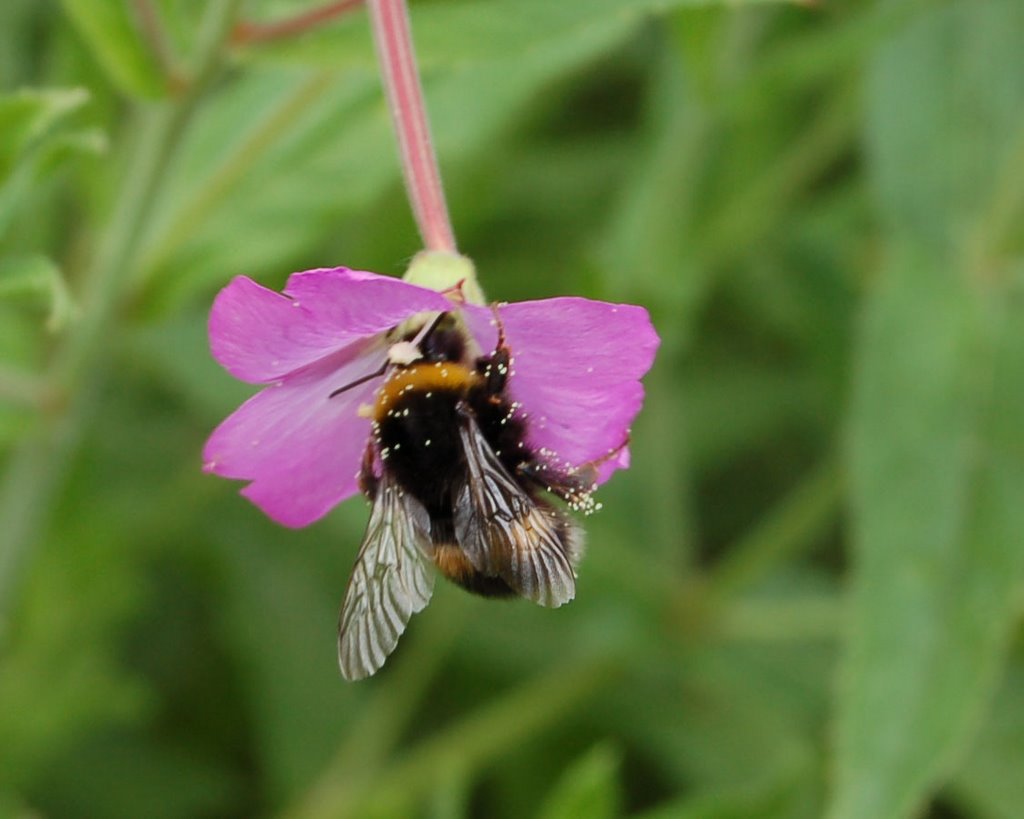
Work on my parents' former home is nearing completion. I had a tour of the buildings yesterday and can honestly say that the work being done by the new owners is going to make a magnificent home for them. A home quite different and more modern than ever envisaged by our family, but one that proves their commitment and love for the surroundings. The south wall of the imposing old barn is the most striking change. Gone is the plain stone face with vertical air vents and now a full height window divided horizontally for the master bedroom at top and main living room below. This takes full advantage of the outstanding view to the south. I will take more photos at a later date, but for now a 2003 view of the barn and one from yesterday together with a photo of a humble bee from today's visit to the nature reserve at Sweeney Fen a few miles away from the cottage.

Wednesday, July 26, 2006

The Punkah Wallah


Here in UK it is [for us] very hot again today. Temperatures of 30C and more. In the office without air conditioning and no siesta in the heat of the day we are suffering the heat. I mentioned to some of my younger colleagues that we should have a Punkah Wallah but was met with blank looks - What's one of them John? So I thought I would share the information.
Punkah Wallahs were low caste Indian servants, who, in the days of the British Raj sat all day long, pulling on the strings of a cloth awning, thus creating a breeze allowing his master some comfort in which to rest or enjoy his gin and tonic. Can we have a punkah wallah each I was asked! THis one has fallen asleep on the job. Punkah = Fan; Wallah = Doer.

Tuesday, July 25, 2006

Endangered Species


The threat of extinction is hanging over some 12% of mammals, 23% of birds and 32% of amphibians. "Virtually all aspects of biodiversity are in steep decline." [Bob Watson, chief scientist at the World Bank.
A group of scientists from 13 countries is trying again to raise awareness and encourage preventative meassures.
I am acutely aware of the difficulties that such a body will face. Apathy, scepticism and commercial interests being the stumbling blocks that occur to me. Brazil and Indonesia have shown little interest in joining discussions and, because of their huge rainforest biodiversities, their input would be crucial to have effect.
It is so sad to think that most of us will have seen species in our lifetimes that people in the following generations will never see alive due to extinctions.
BBC Link

Thursday, July 20, 2006

Nature Trivia and an Iron Age fort


Have a look at some wierd and wonderful nature facts - I found this while looking up Emperor Moth details.
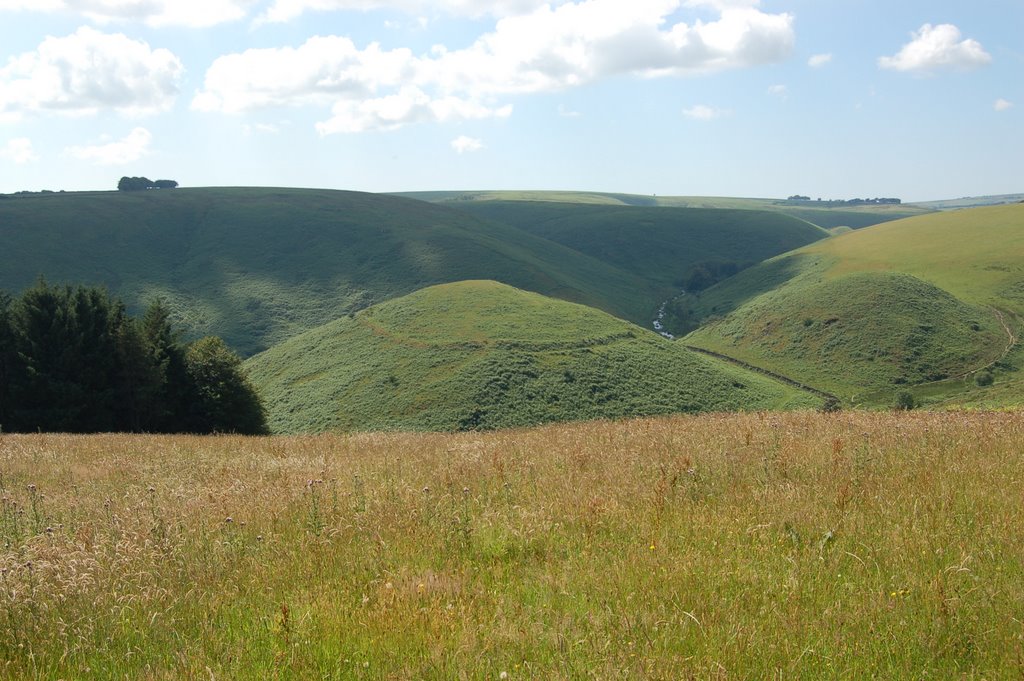
The Photo is of Cow Castle, an Iron Age fortification above the River Barle in West Somerset. The earthworks of the fort are very clear from the upper path which is approximately where I found the caterpillar.

Monday, July 17, 2006

Colourful Caterpillar


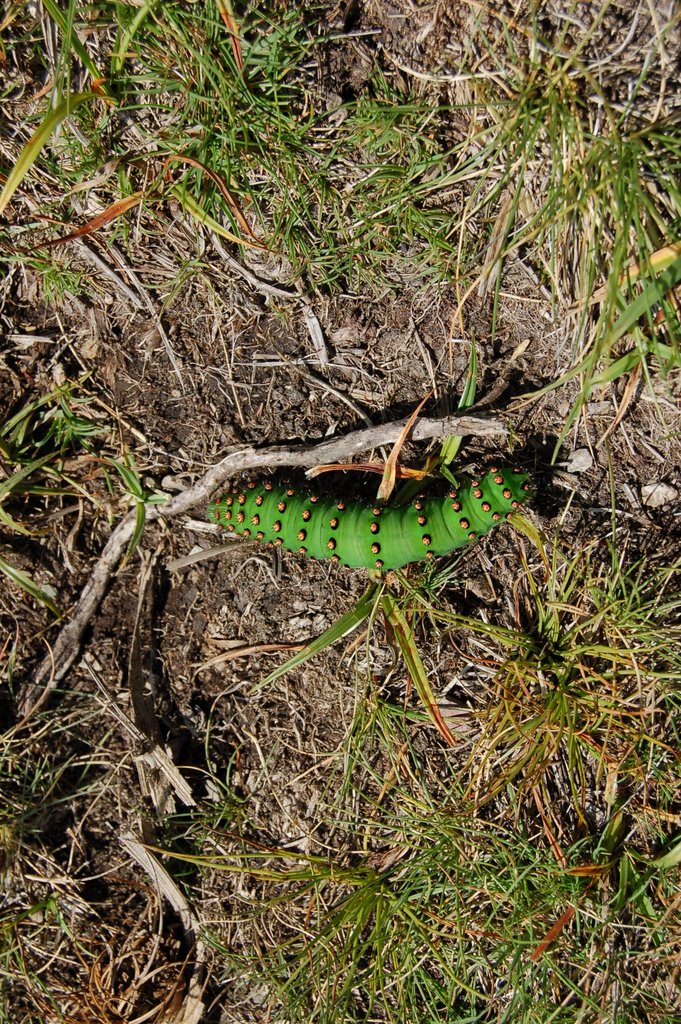
I had to look this one up! It's an Emperor Moth caterpillar we found on Exmoor. It feeds on the heather. I've had a really good four day walking holiday with several old friends that I used to work with. Exmoor is an upland National Park in West Somerset.

Monday, July 10, 2006

The Bristol Old Vic Theatre


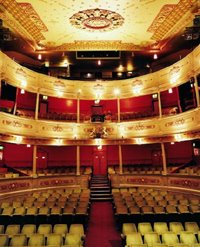
There is good news from Bristol today. Bristol City Council in their wisdom have granted £1 million and the Arts Council £2 million towards the £7 million needed to improve the oldest working theatre in the country. The Theatre Royal – popularly known as the Bristol Old Vic started in 1766 and was granted Royal licence in 1778 by George III. The theatre thrives today with professional productions and can claim many now famous actors who have trained at the associated Bristol Old Vic Theatre School.
We are assured that the wonderful auditorium will not be changed but it all will be made more comfortable. Nowadays the seats creak and some of them are behind pillars that obstruct the view and much needs to be done behind the scenes to improve and preserve the Grade 1 listed building.
I have fond memories of going “back stage” over the years. The following link is to the Bristol University Theatre Collection's listing of plays acted in by My father. [pictured (right) above with John Neville in The Lady's Not for Burning at Bristol in 1950]

He was an actor who was at Bristol Old Vic regularly in the years after the Second World War and then several times up to his last appearance there in 1982. I still go to the theatre when I can, which is not often enough.
I am going to place several links into this post as I know that some of my visitors will be interested.I wish good luck to the BOV in raising the rest of the money needed and hope to see works start before too long.

Saturday, July 08, 2006

Froglets


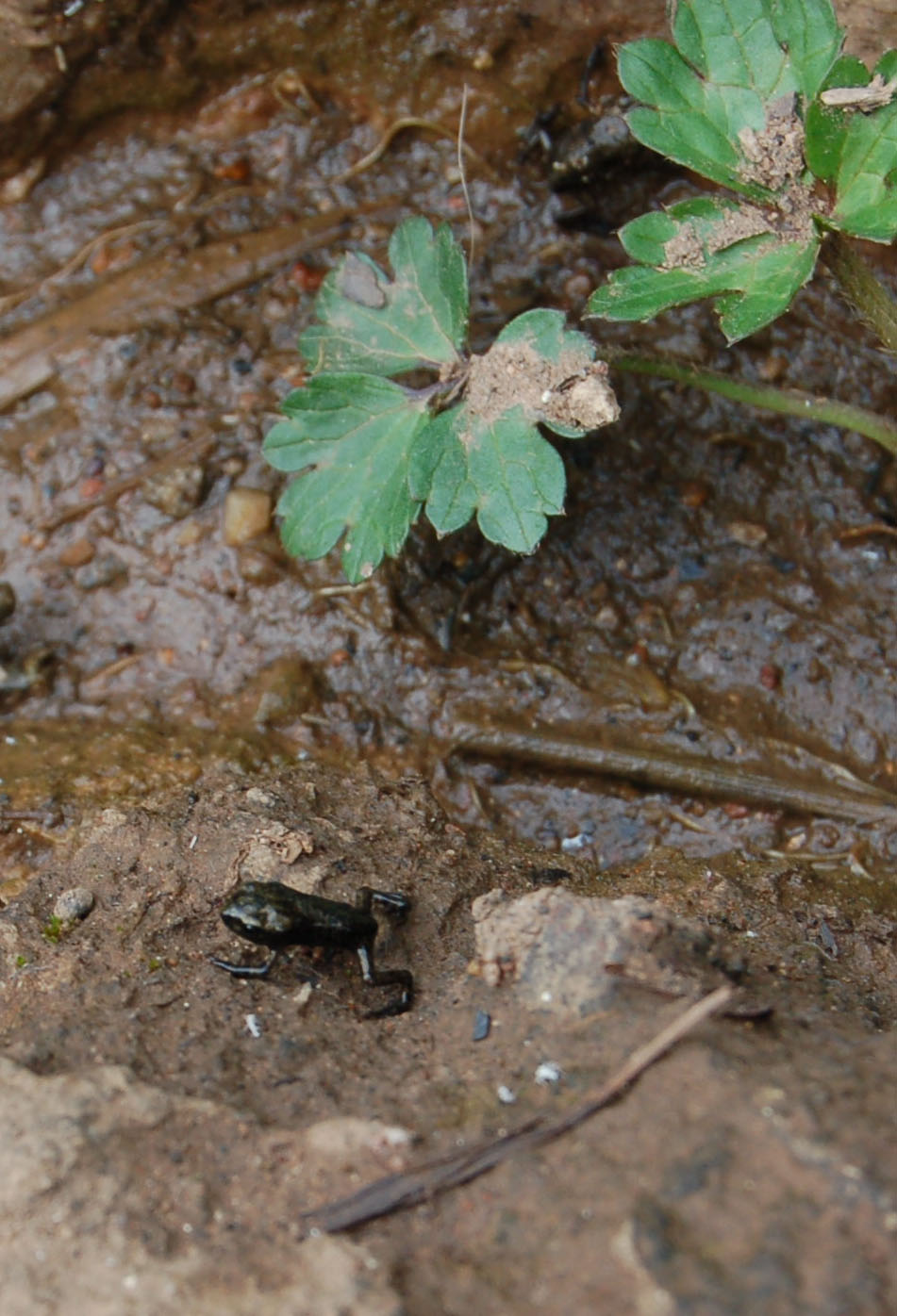
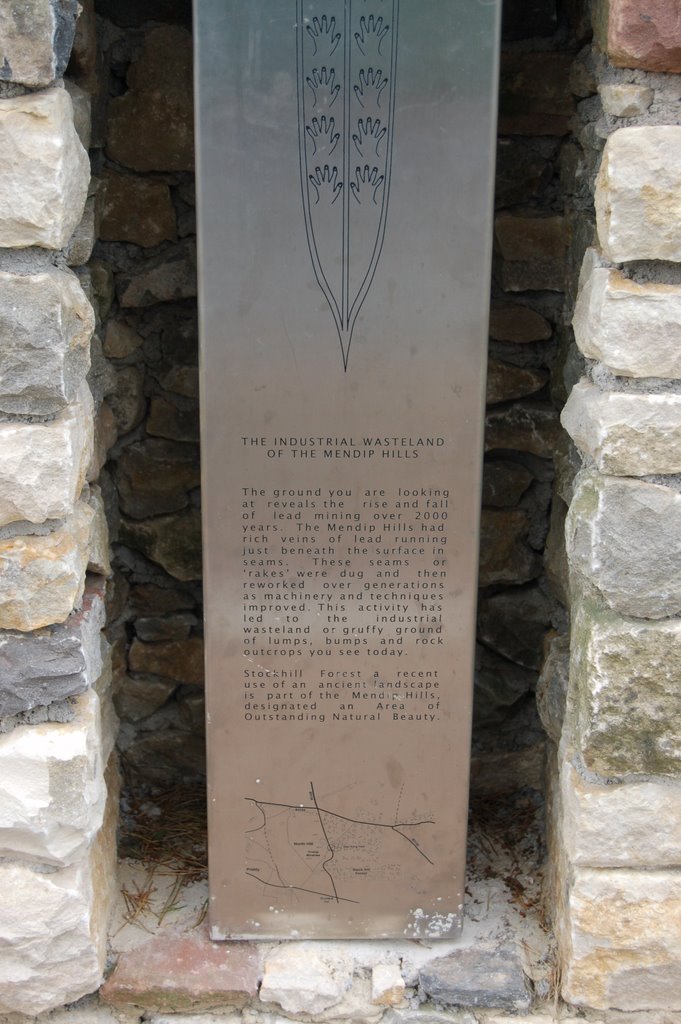
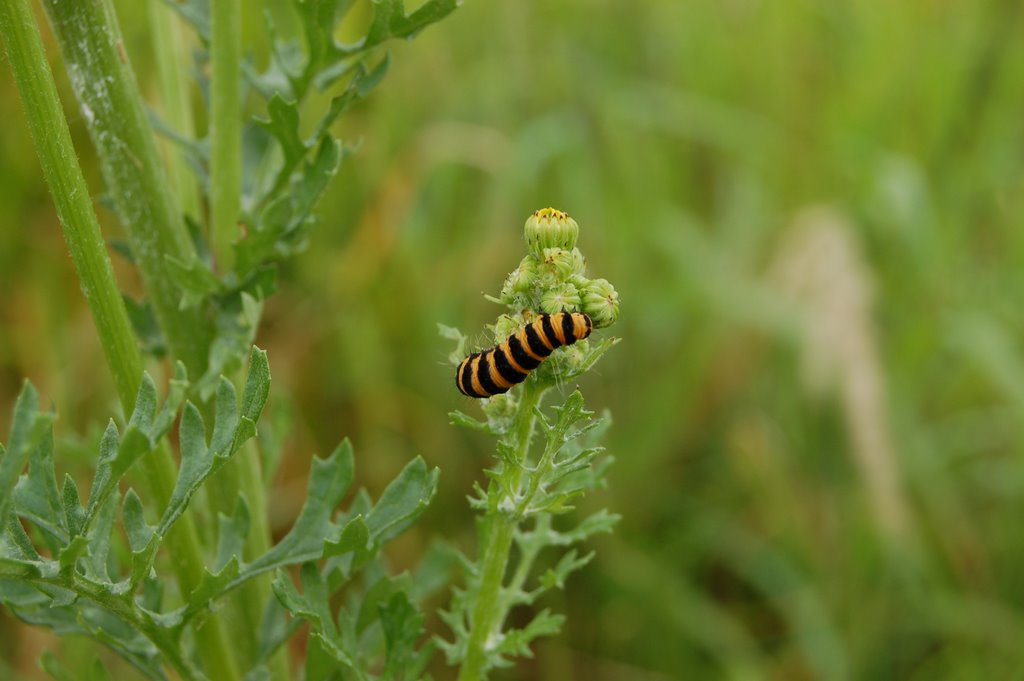
Is froglets a word? I haven't checked. Anyway it's only Saturday evening and so far,a busy weekend for me. After work on Friday I joined the Bristol Ornithologists Club visit to Stockhill on the Mendips where we hoped to see nightjars as it got dark. We did, but before then we walked through a marshy area where reed warblers were calling and I was amazed to see, hundreds of little froglets crossing our path. No longer tadpoles, these tiny frogs were making their way from the ponds to other places in the marsh. Because it was getting dark I hadn't taken my camera and so today, I went back again and spent the first part of the afternoon enjoying music, dance and ambiance at the Priddy Folk Festival then a short drive to Stockhill to photograph the frogs. First picture a group of "Appalacian Line Dancers" from Worcester, next the froglets, then the sign explaining the 2000 year history of lead mining on the Mendips and finally a Cinnabar moth caterpillar on Ragwort.

Thursday, July 06, 2006

Bushmeat Trade in our Cities

I was shocked to read this article in this week's edition of New Scientist. Apparently many african citizens who have become successful in our large western cities pay more than one would pay for fillet steak in order to obtain bushmeat, often primate, at illegal markets. Read on unless you are squeamish!

MEAT from wild primates killed in Africa is landing on dinner plates in North America and western Europe. Offered for sale in clandestine markets from Los Angeles to Paris, primates make up nearly a third of the illegal international trade in bushmeat, according to a survey of markets in seven cities.
Rumours of the existence of such markets have floated around for years, says wildlife biologist Justin Brashares of the University of California, Berkeley. Confirmation came from a chance encounter with a taxi driver from Ghana two years ago. When asked if he missed eating bushmeat, the driver said, "I don't, really." He then offered to show Brashares a market in a warehouse in Brooklyn, New York, where bushmeat is sold.
"I was shocked that open markets sell large quantities of African bushmeat in major cities outside of Africa," Brashares says.
Starting with his initial contact, Brashares has recruited 15 volunteers, expatriates from west Africa to visit illegal markets in Paris, Brussels, London, New York, Montreal, Toronto and Chicago. A market in Los Angeles has just been added to the list.
Two volunteers separately recorded the amount of bushmeat for sale at one sample location in each city. Just over 6000 kilograms of meat moves through these seven markets each month, Brashares told the Society for Conservation Biology when it met in San Jose, California, on 28 June. This probably underestimates the international trade, itself only a tiny fraction of the wild meat hunted in Africa, most of which is eaten locally. Primate meat makes up a larger share of what is sold overseas compared with markets in west and central Africa.
"I have 27 records of chimpanzee and gorilla parts being sold in the markets," Brashares told New Scientist. "In each case it was not a complete body, but a hand, leg or, in two cases, a head." Guenon monkeys and baboon species appear to be a big part of the trade, he says. Small antelopes called duikers are the most commonly sold animal, and the rest of the trade is made up of rodents, reptiles and birds.
“Bushmeat is part of a luxury trade. African nationals could buy a filet mignon in London for the price of a baboon”
Bushmeat is often concealed beneath legal shipments of smoked or dried fish, but it is difficult to say how much is imported because customs officials in the US and the UK lump all illegal meat together in their reports. The sellers don't distinguish between different species, even in the markets in Africa, and there is a good proportion that Brashare's volunteers can't identify.
"The bushmeat trade is huge and supports thousands of people in Africa," says Glyn Davies, director of conservation for the Zoological Society of London, who pointed out that bushmeat traders are occasionally arrested in London. He suggests that cane rats and duikers, for example, which live near farms, could possibly be harvested sustainably to support local people. "But that is very different to harvesting large mammals such as great apes and elephants," he says. "It would be very hard for that to be sustainable."
Davies says that central governments in Africa need to be made aware of the millions of dollars being spent on the parallel economy of the bushmeat trade, and they need to work with the forestry industry to regulate hunting at the critical forest frontier. People in the know keep the international markets relatively buoyant, but the demand isn't driven by need. Prices for bushmeat are higher than for legal meat.
"It's part of what is clearly a luxury trade," says Brashares. "They could go and buy a filet mignon in London for what they're paying for baboon."
From issue 2559 of New Scientist magazine, 08 July 2006, page 8

Tuesday, July 04, 2006

The Stone Runs


Just e-published - My article on the Stone Runs of the Falklands Islands.
Thank you Graeme and thanks to "Polar" Dick who mentored me when I was on the MS Andrea last November.

Monday, July 03, 2006

Missing Husbands

BBC News Item - No further comment from me! - read on


Cells full after football trouble
Police cells across Bristol and Somerset were completely filled overnight when trouble broke out after England's World Cup defeat.
Avon and Somerset Police said the force had brought in extra manpower to deal with any potential clashes. But, despite the number of officers on duty, they admitted struggling to cope with twice as much trouble as would be expected on a normal Saturday night. Minor scuffles and drink-related problems were reported across the area. A force spokesman said they had been inundated with calls on Sunday morning from women saying their husbands were 'missing' when in fact the men had been taken into custody.
No figures for the number of arrests made were immediately available.

Sunday, July 02, 2006

I'm back


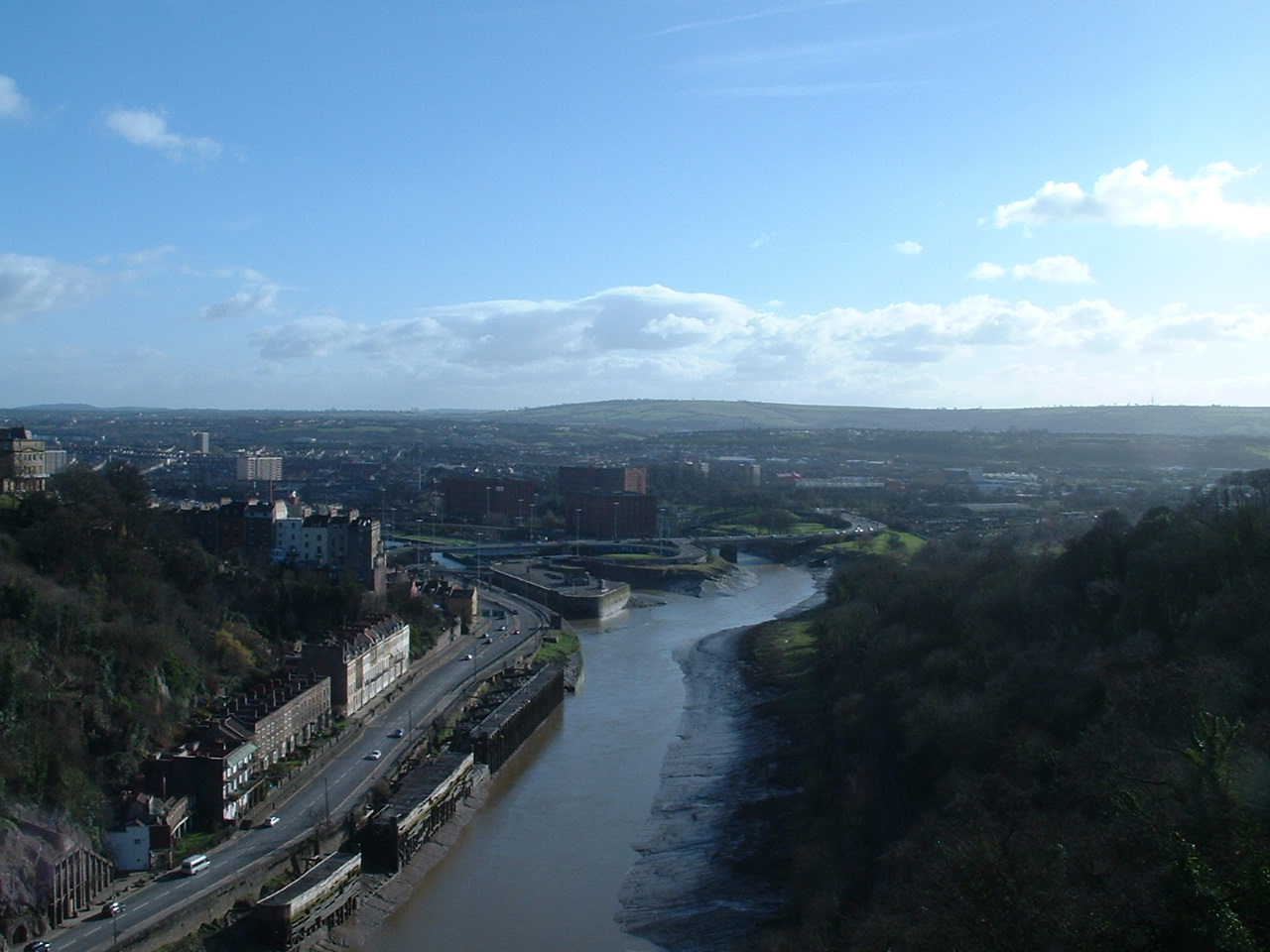
Hottest day of the year so far and very humid. It's thundering in the distance now. Good walk and glass of cider at the Nova Scotia Hotel after. Here is the Colliter's Brook outfall at the upper part of the walk and a view of Clifton Suspension Bridge from near the River Avon outfall.
The red brick building on the right is one of the old Tobacco Bond warehouses. Bristol was the major import dock for tobacco in the last century.

Bristol's Rivers


Here in Bristol the centre of the city grew up in medieval times around the docks which in those days was tidal. We have one of the greatest tide ranges in the world. The River Avon (which is the Welsh Celtic word for river - so "River River") was diverted along the New Cut in 1804 when the Floating Harbour was created. There are several smaller rivers and streams that flow into the Avon and an enterprising lady on Bristol City Council has arranged an interesting series of walks to trace the various rivers from mouth to source. Today I'm joining the Colliter's Brook walk and hope to be looking at some of the industrial archaeology of that area of the city and other aspects of urban geography not usually seen as one drives around. Have a look at my links, I'll post a photo or two later. For now, this photo taken from our famous Suspension Bridge shows the New Cut bending off to the right. Colliter's Brook runs into the Cut on the far side of the fly-over.

Saturday, July 01, 2006

The Roman Steps

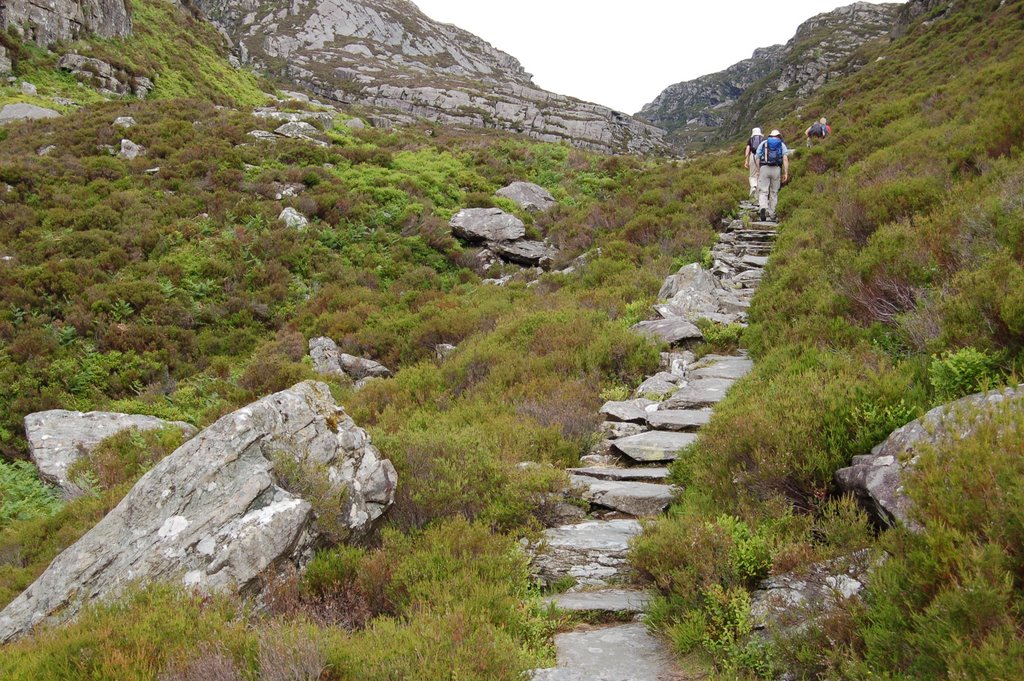
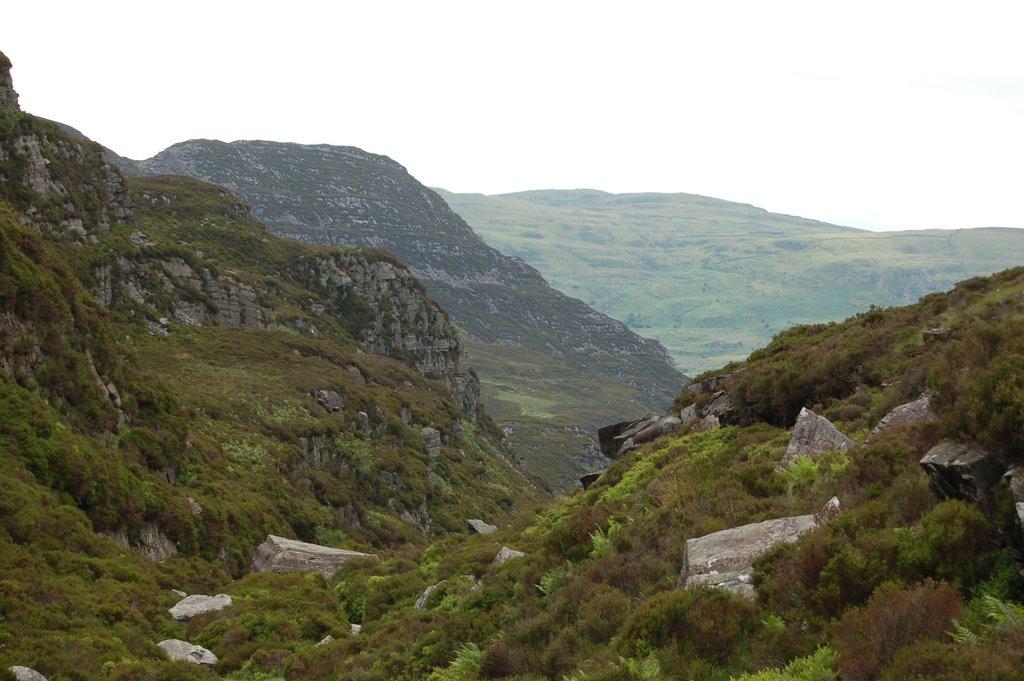
The "Roman" Steps through the Cambrian rocks of the Harlech Dome. UK Grid Ref SH655301. Also here on Geograph.

Thursday, June 29, 2006

And after there was Google...


How a geek saves himself from drowning...

Wednesday, June 28, 2006

Long before there was Google

From its first publication in 1858 and well into the 20th Century, for answers to the common questions of everyday life many people referred to the handy reference book Enquire Within Upon Everything first published by Houlston and Sons of London. The 1905 front page declares "Whether You Wish to Model a Flower in Wax; to Study the Rules of Etiquette; to Serve a Relish for Breakfast or Supper; to Plan a Dinner for a Large Party or a Small One; to Cure a Headache; to Make a Will; to Get Married; to Bury a Relative; Whatever You May Wish to Do, Make, or to Enjoy, Provided Your Desire has Relation to the Necessities of Domestic Life, I Hope You will not Fail to 'Enquire Within.' "—Editor.
There were many editions over the years and I have in my possession the 1905, one hundred and second edition and the 113th edition dated 1923. These books were really popular at the time and can still be found in second-hand bookshops in the UK. Many items, to our 21st Century eyes just seem quaint and some others quite bizarre and I intend to quote a few in the blog from time to time.

For now here is the 1905 item: Dr Clark’s Pills for Nervous Headaches. – Socotrine aloes, powdered rhubarb, of each one drachm; compound powder of cinnamon, one scruple; hard soap, half a drachm; syrup enough to form the mass. To be divided into fifty pills, of which two will be sufficient for a dose; to be taken occasionally. By the 1923 Edition the Headache item starts: Aspirin…is prescribed as an anti-rheumatic remedy and for relief of headaches and other pains. It should be taken only under the supervision of a medical man.
And here, now don’t even think to use this if the occasion arises, is the 1905 treatment for Drowning: “Attend to the following essential rules: -
1. Lose no time.
2. Handle the body gently.
3. Carry the body face downwards with the head gently raised, and never hold it up by the feet.
4. Send for medical attention immediately, and in the meantime act as follows
5. Strip the body, rub it dry; then wrap it in hot blankets and place it in a warm bed in a warm room.
6. Cleanse away the froth and mucus from the mouth.
7. Apply warm bricks, bottles, bags of sand &c., to the armpits, between the thighs and to the soles of the feet.

And so the article goes on….and finishes with:
Cautions: Never rub the body with salt or spirits. Never roll the body on casks. Continue the remedies for twelve hours without ceasing.

The Amazing Clock

Move your mouse around to try it!

Regular visitors will notice that I have changed the Template for my blog again. I hope you approve.


Tuesday, June 27, 2006

Pillow Lavas in the Welsh Mountains


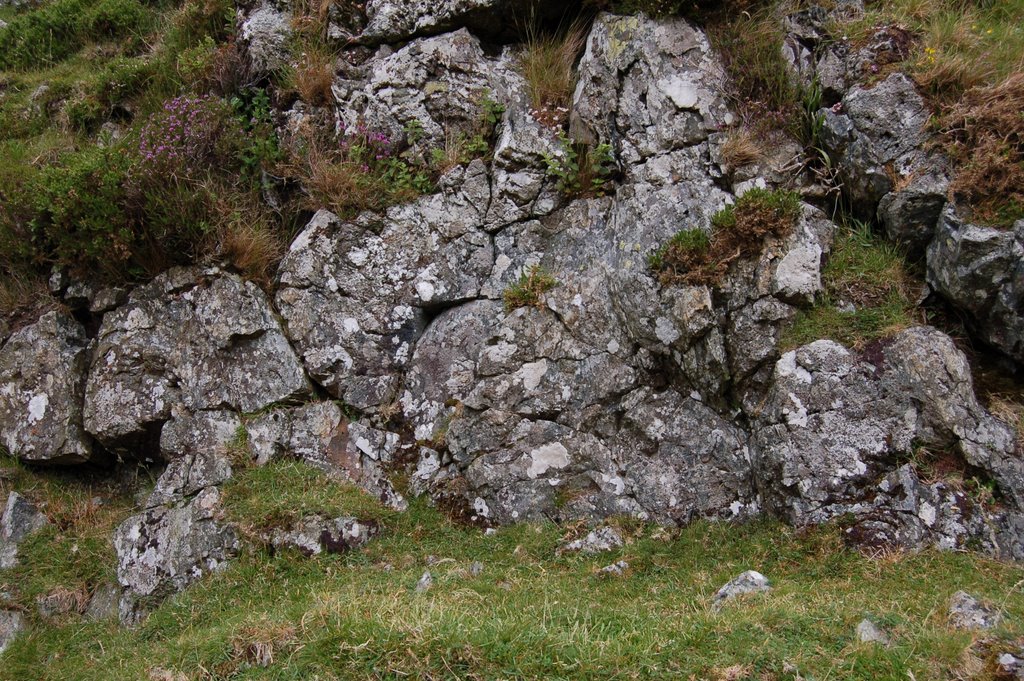
If lava flows from a volcanic vent under seawater the margins of the rock cool quickly and form great pillows of basalt. The underwater photo is from the internet, but the other is an example we found in an exposure of very ancient rock near the Cregennen lakes in North Wales last Saturday.

My Photos of the Day


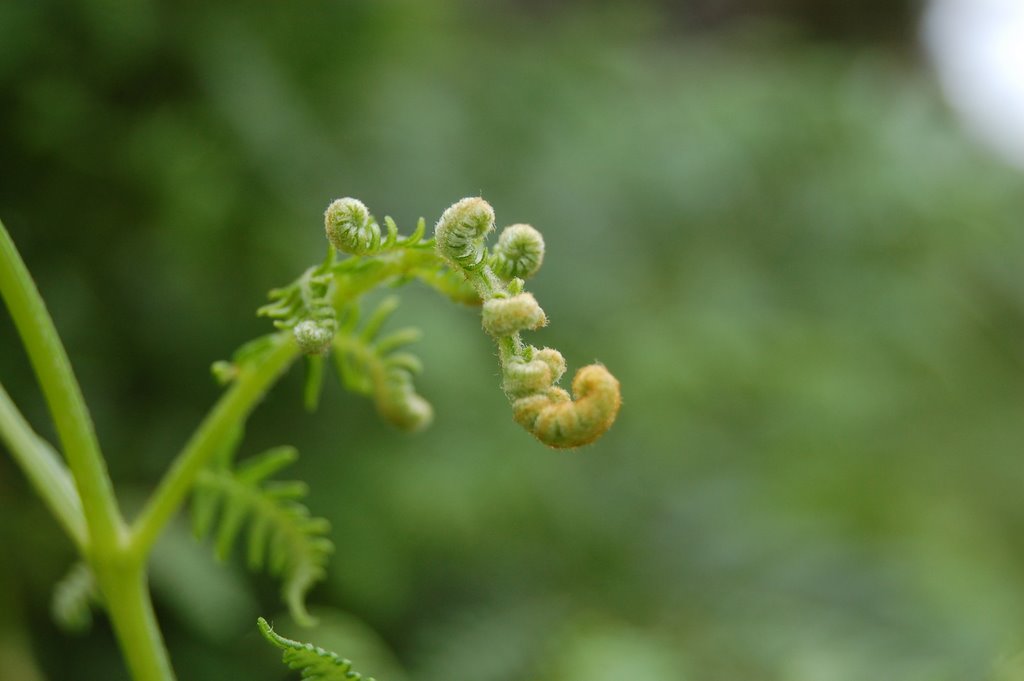
I had some good results over last weekend. Here is a close up of en emerging bracken frond and a view from the Roman Steps - an ancient, probably not Roman stone paved trackway over a mountain pass near Harlech. From these it seems I've got more to learn about landscapes than close-ups with my new camera. There are so many possible settings.

Monday, June 26, 2006

My Photo of the Day


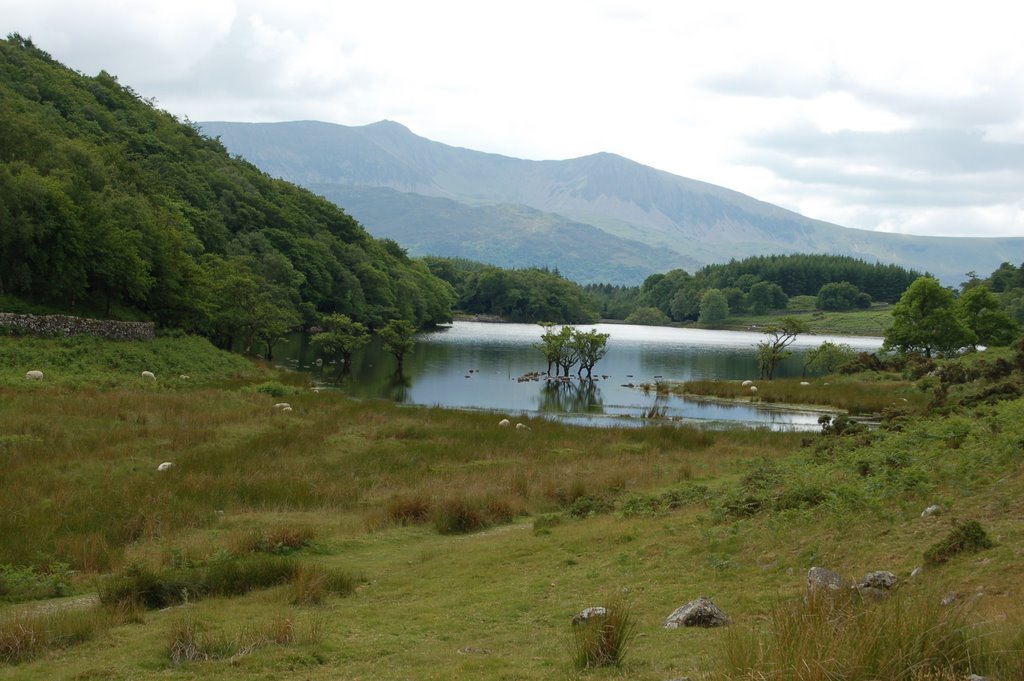
Arrived home very late and so just the one photo for now from my trip to Wales.
More later with some explanations of what we saw.

Thursday, June 22, 2006

Plans for the Weekend


Off to explore the Harlech Dome tomorrow, staying over with the WEGA Geology group for two nights. Should be an interesting visit led by a very knowledgeable man from Swansea University. Back to Bristol on Sunday night. The Harlech Dome is an area of very old Cambrian rocks to the south of Snowdonia.
Here is a J M W Turner painting of Snowdonia from the
National Gallery of Scotland.

Monday, June 19, 2006

Really sad news today.


Beached whale catcher at Grytviken in South Georgia - November 2005

At the risk of being labelled a sentimentalist, I declare that today's news from St Kitts has saddened me. Pro-whaling nations have won their first vote towards the resumption of commercial whaling for 20 years. The International Whaling Commission meeting in St Kitts has backed a resolution calling for the eventual return of commercial whaling by a majority of just one vote.
Whaling had been a fact of life, my Children's Encyclopedia had pictures of whaling as a valid industry and in Britain we had been used to margarine and other products containing whale oil. Even in the 1960's I remember seeing whale catcher ships on the docks of several Norwegian ports and thinking nothing of the sight. I now know so much more about whales, their intelligence, longevity and slow reproductive rates among other things.
Why start again? Populations of many if not most species had been reduced to near extinction levels due to the improvements in the location of whales and in the exploding harpoon by the middle years of the 20th Century and the massive industry then more or less stopped. Japan and other pro-whaling nations would now have us belive that recovered whale numbers are damaging commercial fish stock and must be managed.
These days the growing industry of ecotourism allows many people the thrill of watching whales in their natural habitat and in the knowledge that the remaining whale catching nations only take whales "for scientific purposes." [Norway doen't even use that excuse!]
Have a look [and listen] to this and join me in doing what you can to save the whales.


Stonehenge carried by Ice?


It has been accepted wisdom for so long that the ancient stones of Stonehenge were dragged and rafted there by human action from the Precelli Hills in South Wales, an amazing task even with today's technology. A new theory emerges stating that the stones had been carried to the area by the natural action of glaciers then trimmed thousands of years later by the ancient British. I wouldn't like to bet on either theory, but what else is there? ;-)
Have a look at the BBC link.

Sunday, June 18, 2006

My Photo of the Day


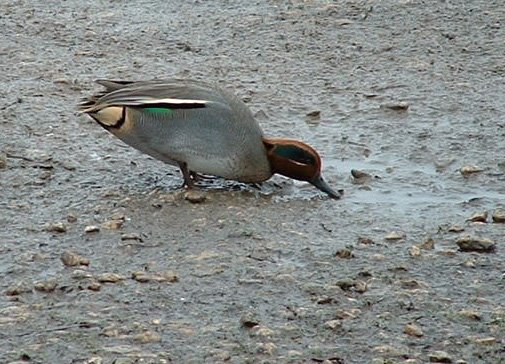
Well fed Teal at Slimbridge last winter.

Thursday, June 15, 2006

Rock Art in the Western Cape


In December 2002 I visited Cape Town and while there went to the Cedarburg Mountains. It was far too hot then to do the full walk which takes in many other sites but I was determined to do a little exploring to see some of the Rock Art of the San people who formerly occupied this mostly wilderness area. Please compare my photo above with the middle photo of this linked page.