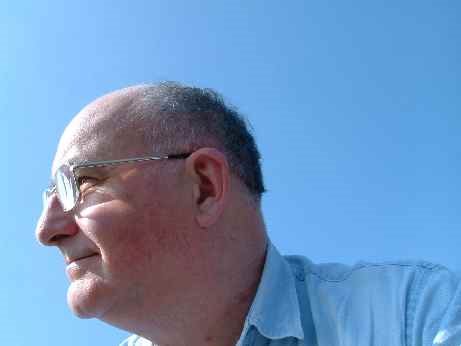
 Today I have been investigating one of the mysteries of bird migration. As a member of the Bristol Ornithological Club, I joined five other men on the sea wall at New Passage, just to the North of Bristol. On arrival I realised that I knew Brian the leader, as he works for the same company as myself; I had not previously known that he is a member of the BOC.The weather was clear but cloudy with some small patches of blue sky. The tide was out and there was a fair breeze. We saw many small birds, mostly flying up-river in a Northwesterly direction. I asked why this was the predominant direction and found out that no one really knows. The majority of the birds are flying South for the approaching winter, but it seems that they have flown down the West coast from Scotland and Northern England but have then turned inland, West up the Bristol Channel when they reached South Wales. The general trend though, is presumed to be South.
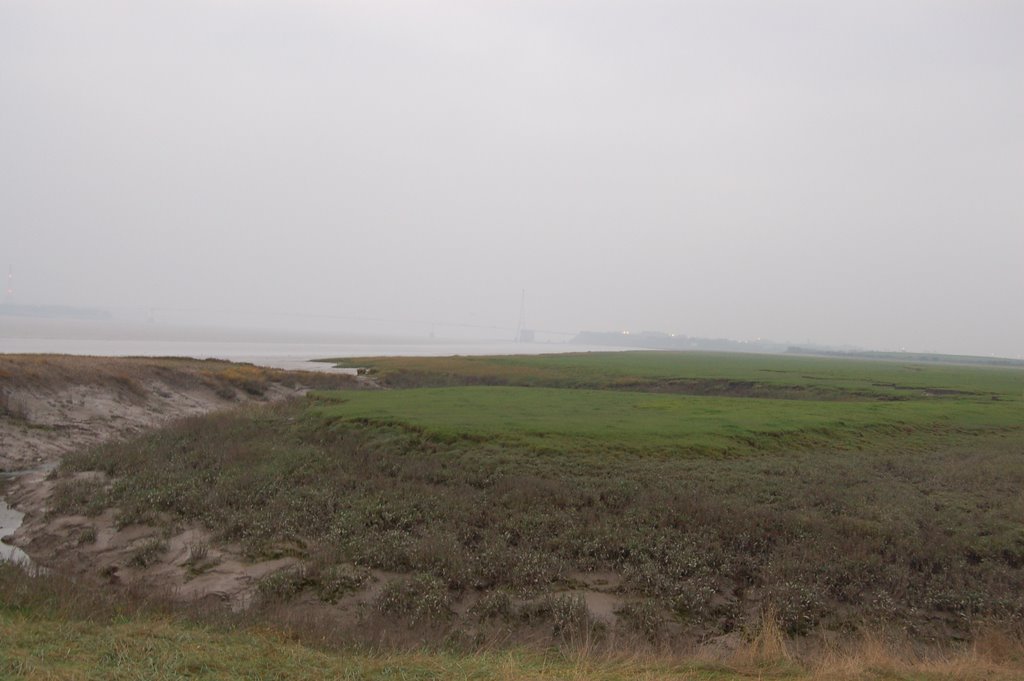
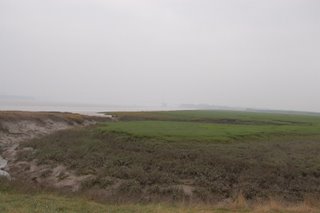
I have been interested in watching birds for as long as I can remember but am a novice when it comes to small bird recognition. My fellow anoraks seemed much more knowledgeable and were able to name the birds from their calls or their “jizz” [size, attitude, manner of flight]. So by the end of the session and having seen thousands of birds flying overhead we had a considerable tally. The most abundant were Chaffinches, of which 2,000 must have flown over in the two hours divided up into large or small parties. Other parties of birds, or single birds that we saw on migration at New Passage were:- Siskin, Greenfinch, Redpoll, Pied and Grey Wagtail, Starling, Reed Bunting, Redwing, Meadow Pipit, Song and Mistle Thrush, Goldfinch, Brambling and Chiffchaff. So no particular rarities or surprises were seen. Now home again after an excellent little excursion, which was followed by a warming breakfast at the Motorway Services at Aust. The photo shows the distant Severn Bridge, looming out of the mist from where we were standing.
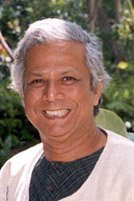
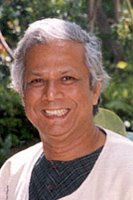 Many congratulatuons to the Bangladeshi economist Muhammad Yunus who has been awarded the 2006 Nobel Peace Prize not for giving to the poor, but for helping them to help themselves. Here is the article from Time Magazine. It is really good news that against much opposition from right and left wings of the Bangladeshi people and initially from the Muslim establishment, his ideas have been put in place. Now many of the poor, because of these ideas, have now lifted themseles out of poverty. The whole country benefits.
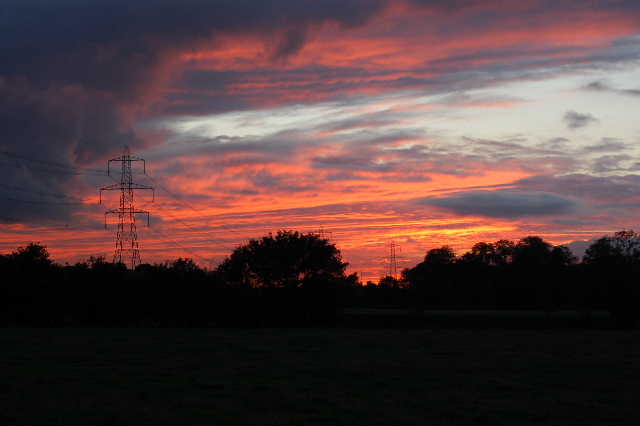
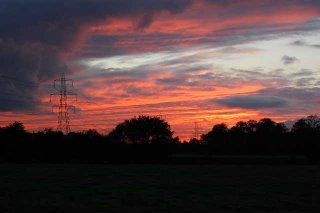 Sunset over Almondsbury, South Gloucestershire - Tuesday October 9th
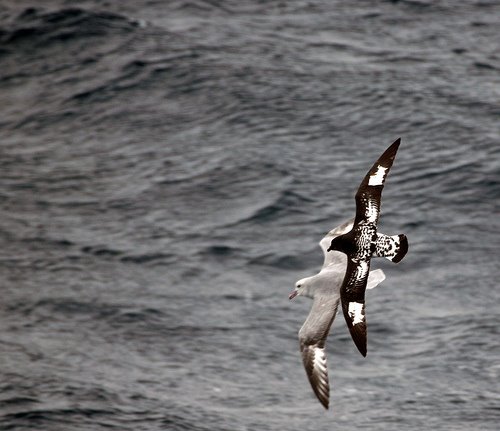
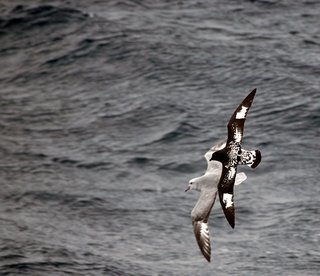 Cataclysmic Events as reported in the October issue of Scientific American may indeed be exacerbated by mankind's poor stewardship of the Earth. New geochemical evidence is coming from the bands of stratified rock that delineate mass extinction events in the geologic record, including the exciting discovery of chemical residues, called organic biomarkers, produced by tiny life-forms that typically do not leave fossils. Together these data make it clear that cataclysmic impact as a cause of mass extinction was the exception, not the rule. In most cases, the earth itself appears to have become life's worst enemy in a previously unimagined way. And current human activities may be putting the biosphere at risk once again. How long have we got? How long have these two Cape Petrels got?
All very worrying to read this in last week's New Scientist: -"Further global warming of 1 °C defines a critical threshold. Beyond that we will likely see changes that make Earth a different planet than the one we know."
So says Jim Hansen, director of NASA's Goddard Institute for Space Studies in New York. Hansen and colleagues have analysed global temperature records and found that surface temperatures have been increasing by an average of 0.2 °C every decade for the past 30 years. Warming is greatest in the high latitudes of the northern hemisphere, particularly in the sub-Arctic boreal forests of Siberia and North America. Here the melting of ice and snow is exposing darker surfaces that absorb more sunlight and increase warming, creating a positive feedback.
Earth is already as warm as at any time in the last 10,000 years, and is within 1 °C of being its hottest for a million years, says Hansen's team. Another decade of business-as-usual carbon emissions will probably make it too late to prevent the ecosystems of the north from triggering runaway climate change, the study concludes (Proceedings of the National Academy of Sciences, vol 103, p 14288).
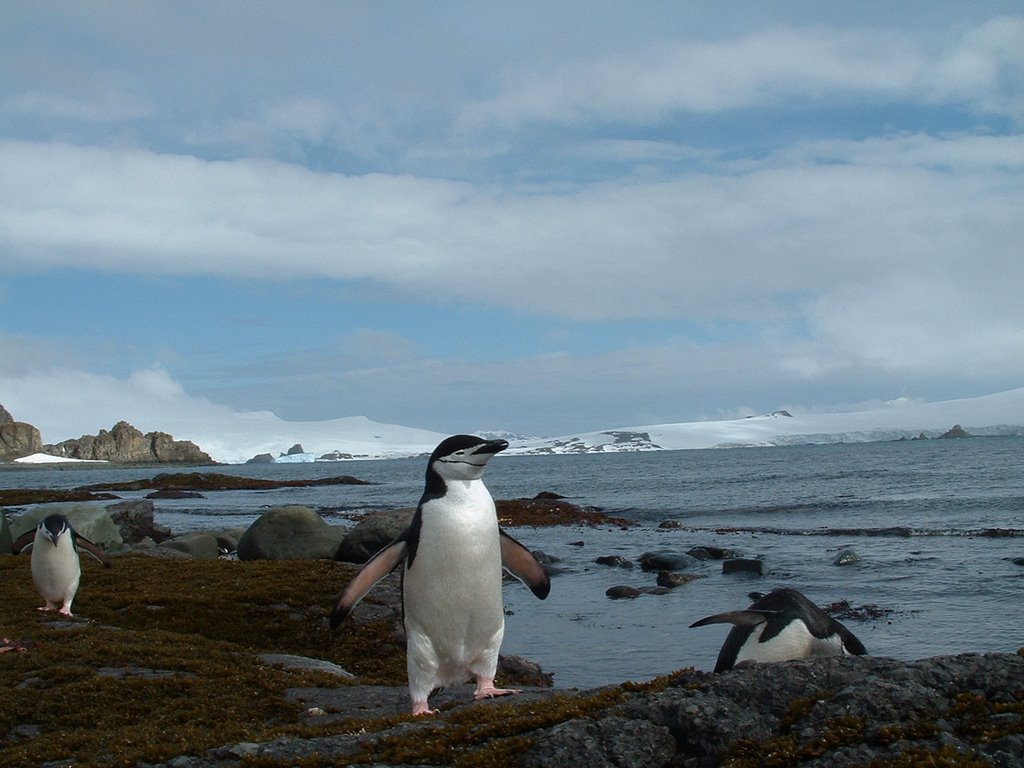
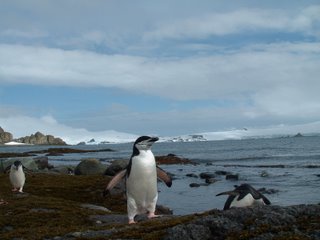 Chinstrap penguins (Pygoscelis antarctica)My personal favourite! Just 10 months ago I was sitting on a rock admiring the view when this little fellow came out of the sea and waddled past me on his way to the nest. Aitcho Islands - Antarctic Peninsula.
One of my friends has sent me the Simon and Garfunkel song El Condor pasa, it means much and connects with the general theme of my blog.I'd rather be a sparrow than a snail.Yes I would.If I could,I surely would.I'd rather be a hammer than a nail.Yes I would.If I only could,I surely would.CHORUSAway, I'd rather sail awayLike a swan that's here and goneA man gets tied up to the groundHe gives the worldIts saddest sound,Its saddest sound.I'd rather be a forest than a street.Yes I would.If I could,I surely would.I'd rather feel the earth beneath my feet,Yes I would.If I only could,I surely would.
 I couldn't resist copying this, though it's probably been flying around the internet for weeks already:Iraq, George W Bush, Republican, Ignorance, War on terror, THREE BRAZILIAN SOLDIERSDonald Rumsfeld briefed the President this morning. He told Bush that Three Brazilian soldiers were killed in Iraq . To everyone's amazement, all of the color ran from Bush's face, then he collapsed onto his desk, head in hands, visibly shaken, almost whimpering. Finally, he composed himself and asked Rumsfeld, "Just exactly how many is a brazillion?"
The worst revelation this week that has filtered trough to me is (and I quote) that the oil giant ExxonMobil gives money to scores of organisations that claim the science on global warming is inconclusive – which it isn’t. It’s a strategy that has set back action on climate change by a decade, and it involves the same people who insist that passive smoking is harmless. This is revealed in Heat a new book by George Monbiot and quoted in The Guardian newspaper. The article is to be found at The Guardian and I won’t quote more of it here, just saying Shame on you Exxon.
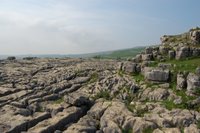
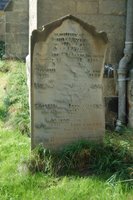
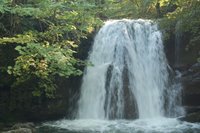 I returned yesterday from an excellent trip "Up North" taking in many of the beauty spots of Yorkshire and then into Lancashire before driving home. There were no major disasters and all the places I stayed were good and the various Guest Houses or Bed & Breakfast places looked after me well. I can now do without massive breakfasts of eggs, bacon, sausages, tomatoes, black pudding, tomato and mushrooms - with toast, marmelade for several months. The weather was much better than expected and as you will see, had plenty of sunshine.I took nearly 300 photos some of which have been published to a new folder on Flickr. Please take a look. Three more days including today, then back to work on Monday. The highlight of the trip and where I did the most walking was Malham where stunning limestone scenery dominates the landscape with waterfalls, disappearing streams, cliffs and bare pavements of well weathered rock, in the joints and cracks of which are many species of ferns, protected there from wind and thriving in moist conditions and a thin soil.Sadly I did not manage to find the wonderful Sandbeck Yew Tree, described in my 18th Century guide book [see previous post], it had probably been felled many years ago. I do hold out some hope to hear more of it as I left my address with Mr Molyneaux who said he would pass it to the local historian.
I have no idea of the actual numbers of people around the world who are at this minute, typing away at their PC’s chatting on line with people they have never met and never will meet - in all probability. However if the total number shown at the foot of my Skype box for total users on line is any guide, then it will be a substantial percentage of that number, which now as I write is 4,524,889, plus all those using other service providers world wide.
I realise that the Internet is used for all sorts of dubious purposes and that sex and images of sex do make up a huge part of total Internet traffic but there is a genuine and interesting social interaction going on with one to one chat. It is in fact a cultural phenomenon that is, in my opinion allowing people to learn about each other’s cultures, lifestyles and interests in ways never before possible. Ordinary people are talking with other ordinary people, often the other side of the world. Naturally there is a bias towards the “haves” rather than the “have-nots” as it needs an Internet connected computer to join in. Then it needs a little bit of expertise to know what to do to find people with whom to chat and not all computer users feel comfortable doing that. I am one who does feel comfortable chatting with strangers on line; and I get a sense, at an early stage, that the other person is, or is not, someone I can have an interesting conversation with. Several times I have been messaged by people whose only conversation is “Hi, how are you? They want to chat, but the words just don’t come and especially if their on line profile tells me nothing, I get bored by writing back “Ok tell me about yourself, where are you, what are you, how old are you, what do you do? It is necessary for effective communications for people to have posted in a profile, answers to all these questions and more. Profiles should allow one to see immediately a person's main interests and preferred language and a lack of profile might mean that the person has a lot he or she wants to hide.
I would not be on line at all if I could not learn from the Internet, I don’t use it as a game, but as a tool to stimulate my mind and to learn from other people. I have made good and genuine friends with people who are able to speak, or are learning to speak English and these are the kinds of friends who have something to say about themselves, their lives and their countries. I remain fascinated!
As a finish to this post – a special thanks to my friends – they know who they are! - in Hungary, India, Poland, Germany, Austria, Washington, Iowa, Texas, Ontario, British Columbia, China, Taiwan, Sardinia, Lithuania, Philippines, South Africa, and I’m sorry if I’ve missed any off the list.
This is probably my last post for a few days as I’m off on holiday to Yorkshire until the 22nd September. Watch out for my photos after that – OK?
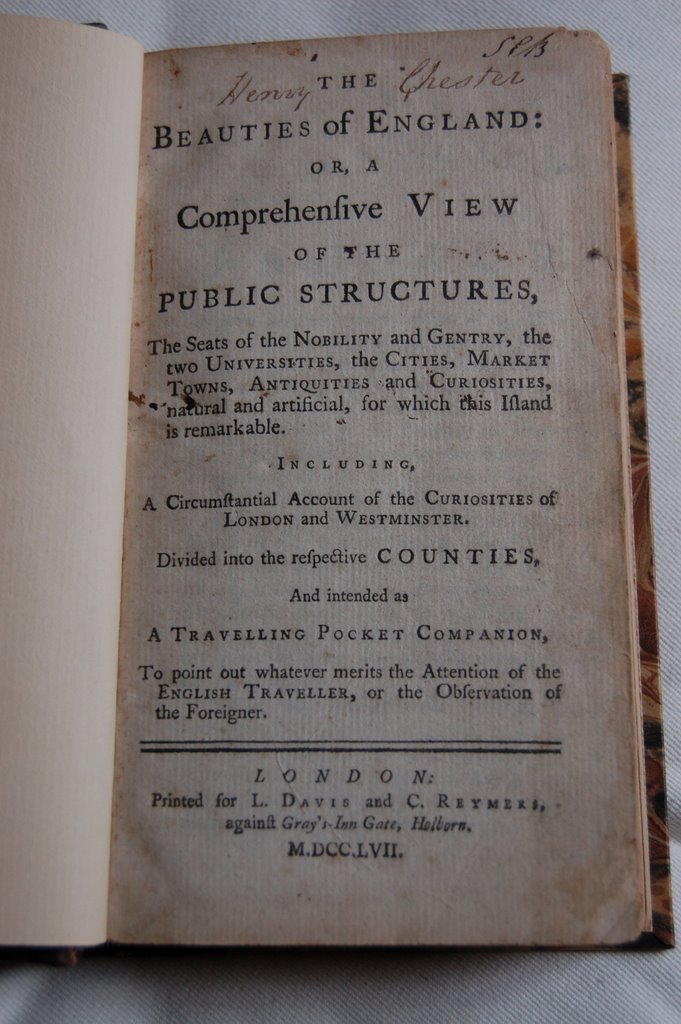
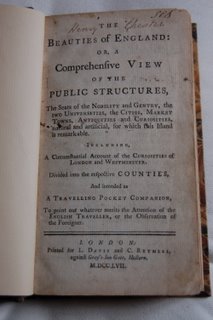 One of my oldest books and one of my most treasured is this little travel guide to “The Beauties of England” which was printed in 1757. Just before I set out on a tour to the North of England next Sunday I thought it might be a good idea to compare travelling now with travelling in the 18th Century.
The only people who could afford to travel any distance away from home were the gentry and nobility and it was for them that this book was written. There were coaching inns but these are not mentioned in the book and one’s attention is drawn to the list at the end of the pages for each county of the “Seats of the Nobility and the Gentry.” And so like using a hotel guide today, our 18th century noble traveller with his coach and pair of horses would write a letter in advance to [for instance] the Earl of Carlisle at Castle Howard in Yorkshire asking for the favour of a visit en route to his own lands in Scotland. He would have to give an approximate date of arrival and give the numbers of his party, the numbers of his servants and his horses in order that the Noble Earl can delegate his staff to make suitable arrangements. What a carry-on!
Having arranged the accommodation, our traveller would then pay attention to the beauties and curiosities of the areas to be visited. I quote as an example: -
Near Sandbeck, in a Field called Cuckold’s Haven, is a remarkable Ewe-tree of a greenifh Colour, and very fingular form; its Branches rife one above another in natural Circles of Dimenfions as exact as if they were a Production of Art, and more beautiful; ‘tis hedged in, being efteemed a very great Curiofity. I will try and find if is there still – yew trees tend to live for hundreds of years.
There are hundreds of other little anecdotal snippets of information in the book, useful then in the 1750’s but I doubt if the Noble Earl will be welcoming me and my Ford to his country seat later this month. Note if you would, that the lower case letter s, if used at the beginning or in the middle of a printed word uses a font giving it the appearance of an f. Thus Yorkshire looks like Yorkfhire, Island becomes Ifland and Chester becomes Chefter.
 Since starting my Blog in April of this year I have had much satisfaction from the favourable comments received from all over the world. These have been from people who were previously unaware of my humble existence and I thank them all for visiting.
I have also joined the internet phone network Skype and at various times while I sit here at the PC, I can mark my phone status as “Skype Me” which means that of the millions of people online at that moment anyone could find me and if they wish, text or voice chat with me, all for no cost. Almost all that have Skyped me have been genuinely nice people who in some way have found interests to share with me. One of the most enjoyable and rewarding experiences for me has been chatting with several non-English speakers who want to improve their English skills or show interest in other subjects within my own areas of expertise. While I have no qualification for teaching English, I think I do have a thorough knowledge of my own language and can give many people the benefit of that knowledge. If I don’t know the answer to a question of grammar or lexicon then I always know where to look and /or make intelligent use of Google!
Yesterday I was helping a head teacher in Hungary write a letter to a British charity. She has no budget for obtaining textbooks and needed a particular book that they publish for teaching English. The letter has been sent and I await the result, but for now I have the teacher’s profuse thanks heaping praise on my efforts, saying, “Even if I lived for 100 years I wouldn't be able to compile a letter like this.” I confess that I have a swollen head after such praise but am nonetheless very happy to receive it.
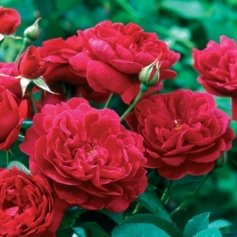
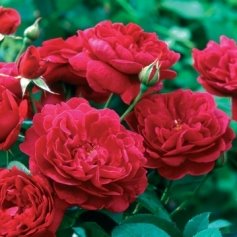
So if you have any questions about English usage please email or Skype me – I’ll do my best to answer. And here is an English rose in return.
The remote Llyn Brianne in Mid-Wales, one of several reservoir lakes in the area.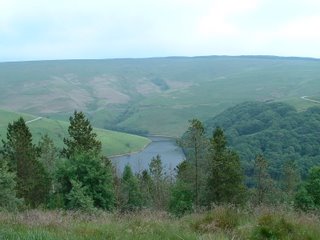
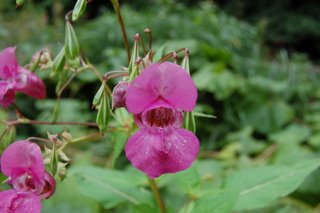
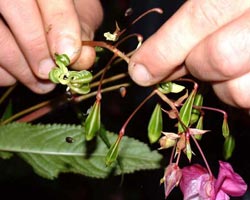 Since 1839 the British Isles have been colonised by an attractive but highly invasive plant species. Victorian travellers to India brought the plant back to add to their gardens, but now it is to be found on most of our riverbanks. Walking beside rivers as I often do during the summer, it is not long before the tall stems of Himalayan Balsam are evident. It is a garden escape that has been particularly successful in its spread throughout the country. It is a tall, robust, annual producing clusters of purplish pink (or rarely white) helmet-shaped flowers. Also called Jumping Jack, Policeman’s Helmet, Indian Balsam and the “bee bum plant”. This last because when a bee enters the helmet shaped flower that is all one can see of the bee. It has the impressive Latin name of Impatiens glandulifera and is also the Noli-me-tangere plant – from the Latin for “Don’t touch me” because touching the seed pods at this time of year sends the seeds flying in all directions. Each plant can produce up to 800 seeds and can shoot them from the pods up to 7 metres away, which is why it is so successful in its dispersal.
Since its introduction it has become naturalised, especially on riverbanks and increasingly in waste places and has become a problematical weed. Himalayan balsam tolerates low light levels and, in turn, tends to shade out other vegetation, impoverishing habitats. It is sometimes seen in gardens, either uninvited or grown deliberately, but care must be taken to ensure that it does not escape into the wild.
The eradication of the plant is widely encouraged, and usually the most appropriate method is by pulling up or cutting out plants before they flower and set seed. Conservation authorities regularly organise ‘balsam bashing’ work parties to clear the weed from marshland and riverbanks but their work has only managed to clear small areas. As the seeds remain viable for up to two years re-colonisation is commonplace.
As I said, it is an attractive plant and if it did not shade out our native flora I would otherwise be more pleased to see it.
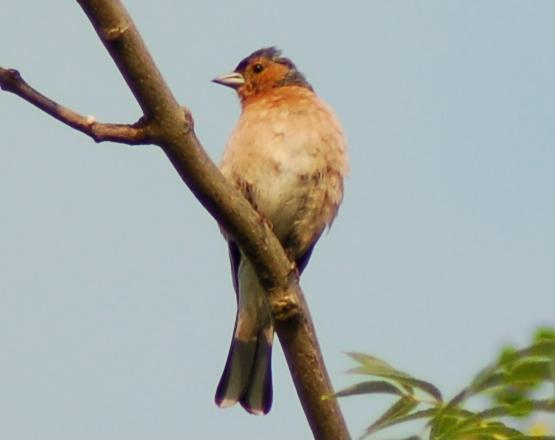
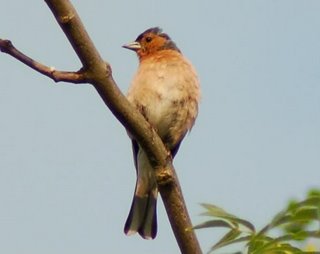 This scruffy little chaffinch is to illustrate an article I have just been reading. Quite apart from climate change, in the UK there have been many changes to the agricultural scene over the last two or three decades and some of these have affected wildlife. Some species have declined but some have increased over the period and are continuing to do so. Among the losers have been skylarks, corn buntings, tree sparrows, bullfinches and turtle doves, while song thrushes and some of the rarer birds have been increasing.I have been lucky this spring and summer to have seen or at least heard, many species of birds. The chaffinch was singing in a tree above the lane in Marshfield, near Bath at the end of June where I was able to try out my new camera and zoom lens for the first time. In farmland I have also seen skylarks, thrushes corn buntings and yellowhammers in good numbers as well as many other species like grey partridge, little egrets, herons, quail (heard). I could go on, and while none of my species seen is particularly rare or even endangered it is worrying to note that there are still marked declines in formerly common species.
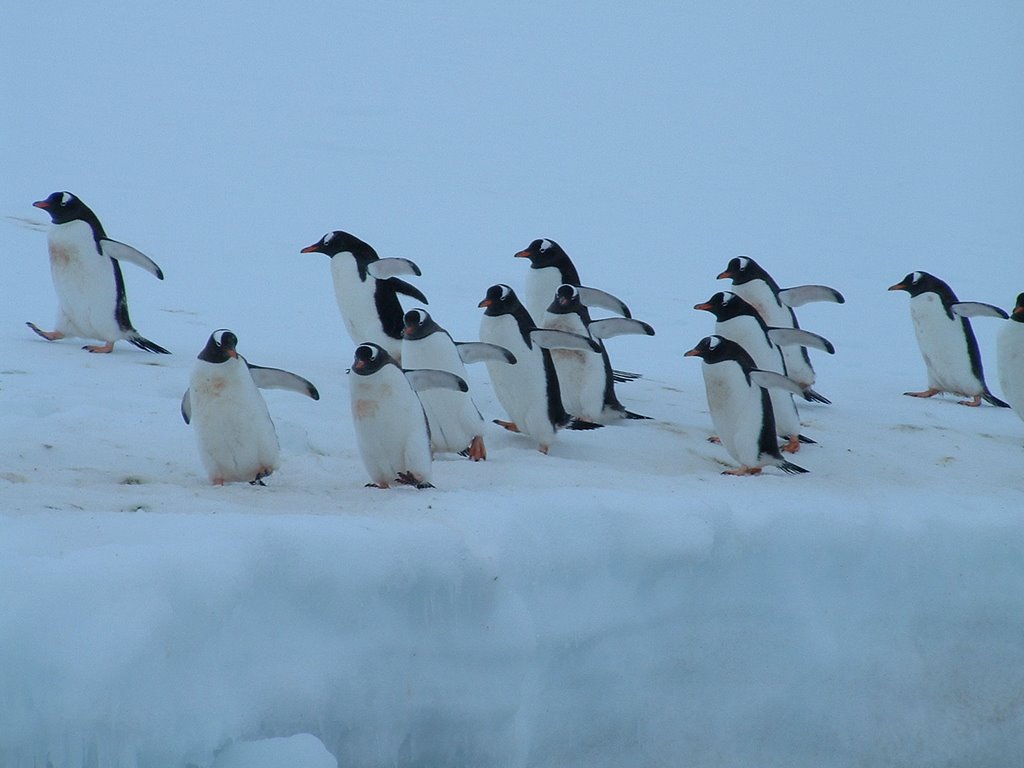
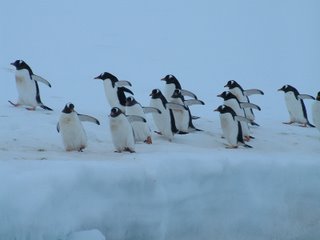 Gentoo Penguins marching back home! Picture taken 02 Dec 2005
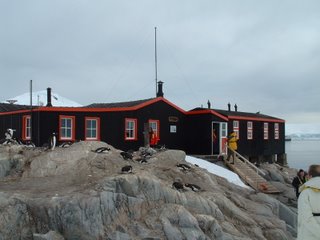
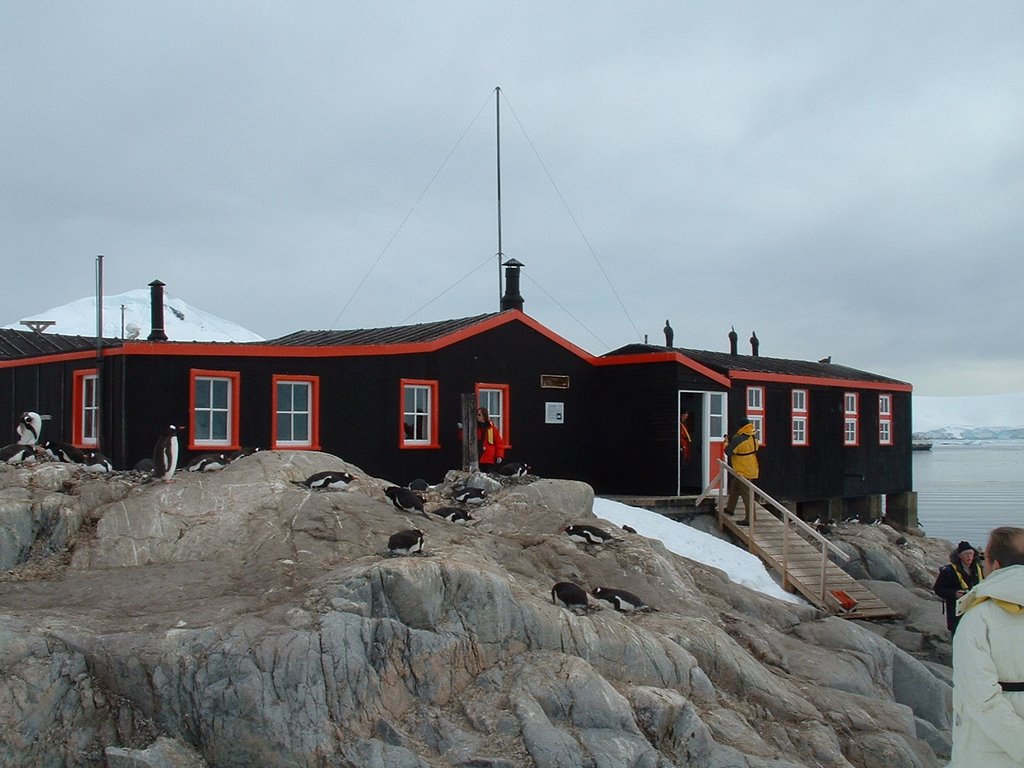
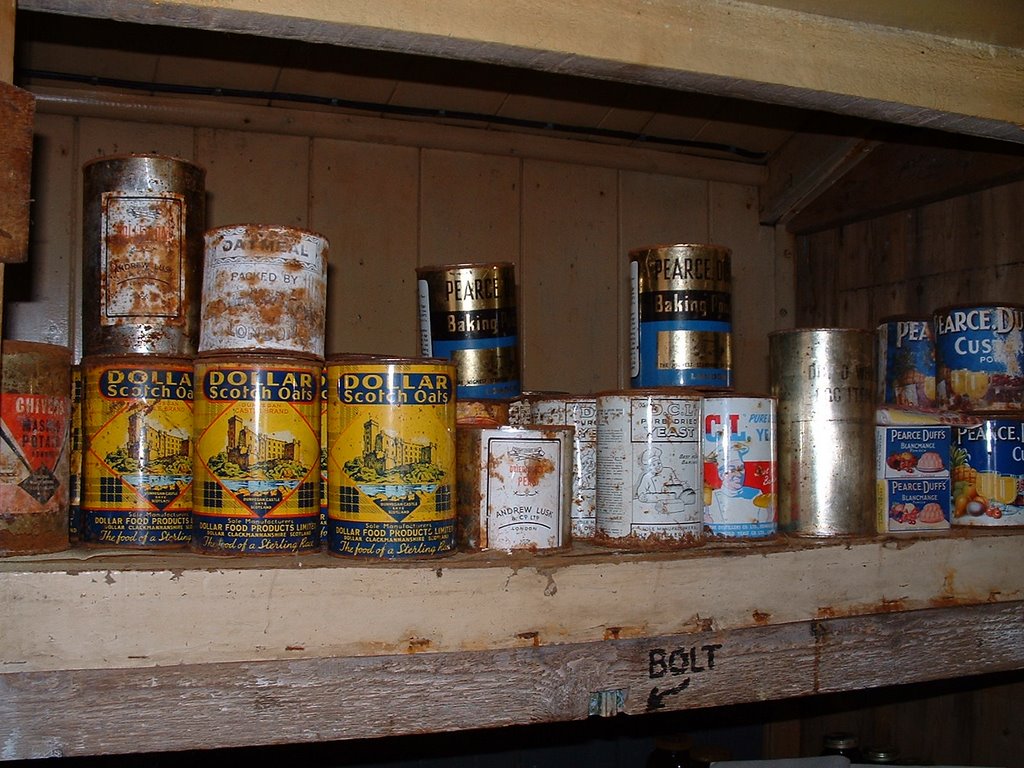
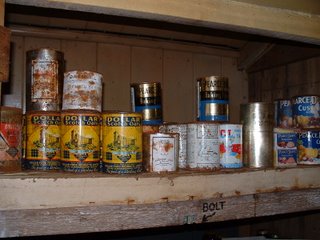 I was privileged to have visited last December the British Antarctic Survey historical base at Port Lockroy on the Antarctic peninsula. I now read with great interest of the conservation work being done on the Scott and Shackleton huts on the edge of the Ross Sea, much further to the south than my tourist cruise had ventured."There is a corner of Antarctica that is forever Britain. On the shores of Ross Island there are three wooden huts left behind by Robert Scott and Earnest [sic]Shackleton's expeditions a century ago - a snapshot frozen in time. It is something of a miracle that the huts have survived, but now ice, winds, salt and warmer summers are sounding their death knell. Ironically, New Zealand is leading the fight to save them."The above comes from an article in this week's New Scientist and is well worth reading. Sorry that link works fully only if you subscribe to New Scientist. This link is good! My photos show the Port Lockroy Base and Museum which has food items dating from the 1950's. On the rocks out side the building are nesting Gentoo Penguins.
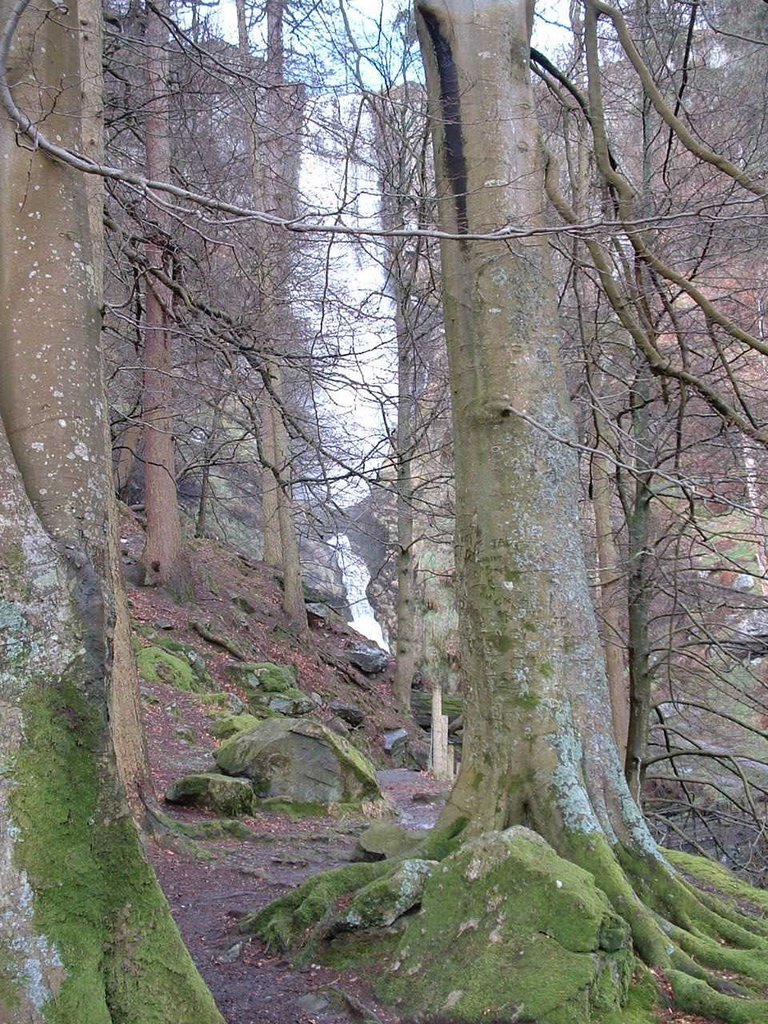
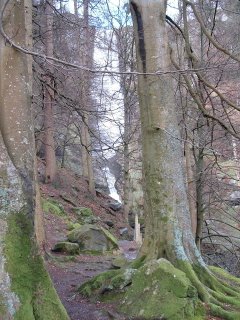 I haven't posted a My Photo of the Day for ages, so I'll choose this. Through the trees to the highest waterfall in Wales - Pistyll Rhaeadr - which actually means "waterfall waterfall" in Welsh.
I had planned to go to Bristol's Nova Scotia Hotel Folk Club for ages and was dismayed to find on arrival that the the little upstairs room was full to the brim and at first I was turned away. Later, a few more people were squeezed in and I was lucky to be able to stand by a wall and near to an electric fan. The guest artist last night was Michael Chapman who entertained us until after 11 o'clock with some of his songs and fantastic guitar playing. Toward the end of the final set he was joined by Keith Warmington [one of our larger than life BBC Radio Bristol presenters] on harmonica.Standing there, among many other appreciative people on a hot evening , I was reminded of a time, different location, different genre, when I visited the Preservation Hall in New Orleans where generations of traditional jazz musicians have played to audiences just as appreciative. Michael Chapman has been performing since the 60's and his gravelly voice and generally grizzled appearance compared in my memory with the old guys I saw in New Orleans back in 1972. I hope he continues for many more years and I am pleased to see that the Preservation Hall has survived the floods and is thriving again and still costs very little [$8] entry.
I was chatting on line with a man in China yesterday morning and he told me that he could not access the BBC website. We assumed that this is because it is blocked by the Chinese government which is sad. I rely on the BBC for much of my knowledge base and as I have used BBC links in several of my posts, I do hope that my visitors here can read them. Just this quick post with a link today to a piece about the interview with the President of the Royal Society, Lord Rees, who gives a plea for much more to be done by the governments to increase research in alternative technologies. You can [unless barred!] also listen to the interview on line.I was dismayed by the final sentence of the article: - The International Energy Agency predicts that by 2030 global energy demand will increase by 50%. If that is the legacy my generation is passing on, there is going to be a very different and troublesome world then for our children and grandchildren.
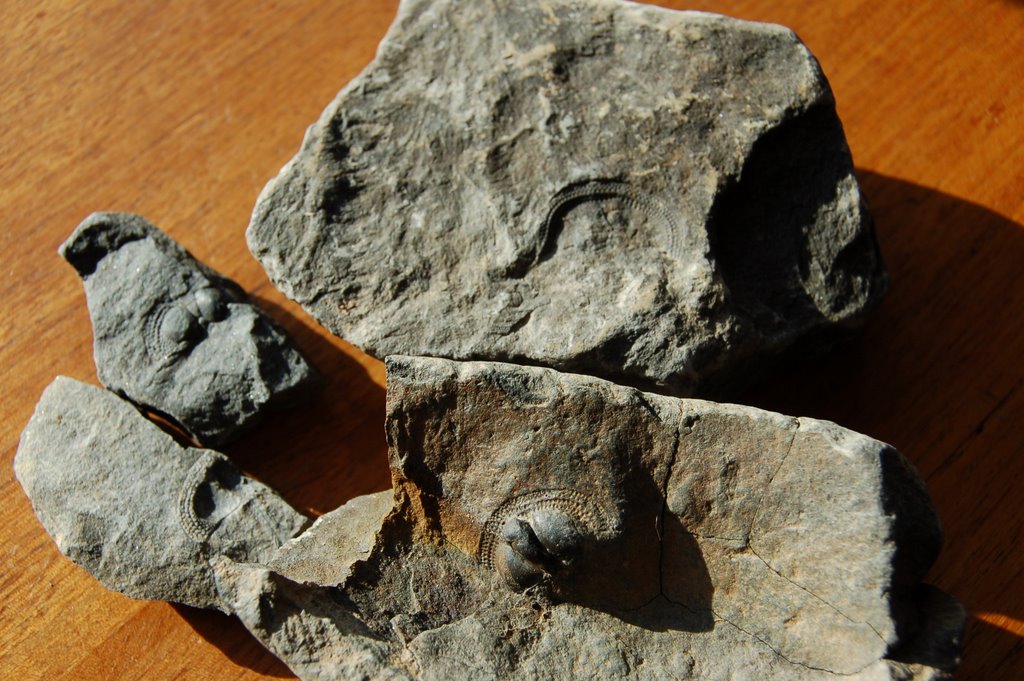
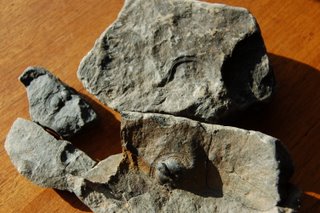 I had a very busy weekend in Mid-Wales, returning to Bristol last Sunday evening. I had managed to visit several friends and relatives and also spent some time on my own re-visiting old haunts. I have been visiting Montgomeryshire, the family home of my late grandfather regularly for as long as I can remember and have special affection for the rivers and "hump-backed little hills... lying like sleeping lizards in the sunlight." [Pauline Phillips] On Sunday morning waiting between breakfast and a suitable time to visit my aunt, I visited a famous geological locality, the Trilobite Dingle in Bronybuckley Woods just outside the town of Welshpool. Here, scrambling down to the bed of a little stream one can still find ancient Ordovician shales containing Trilobites over 450 million years old. The rock disintegrates easily and broken shale lies around the stram bed making it relatively easy to spot the Trilobites. Whole specimens [as with most fossils] are rare but I collected a few specimens of heads and head shields and have taken photographs of them as you see above. I am fascinated by this early life, something that has no living relatives, that was common in the early oceans, leaving us too few clues as to their ways of life. The species here is Salterolithus caractaci.